
January 26, 2026
By: Anushree Gulvady-Hayes
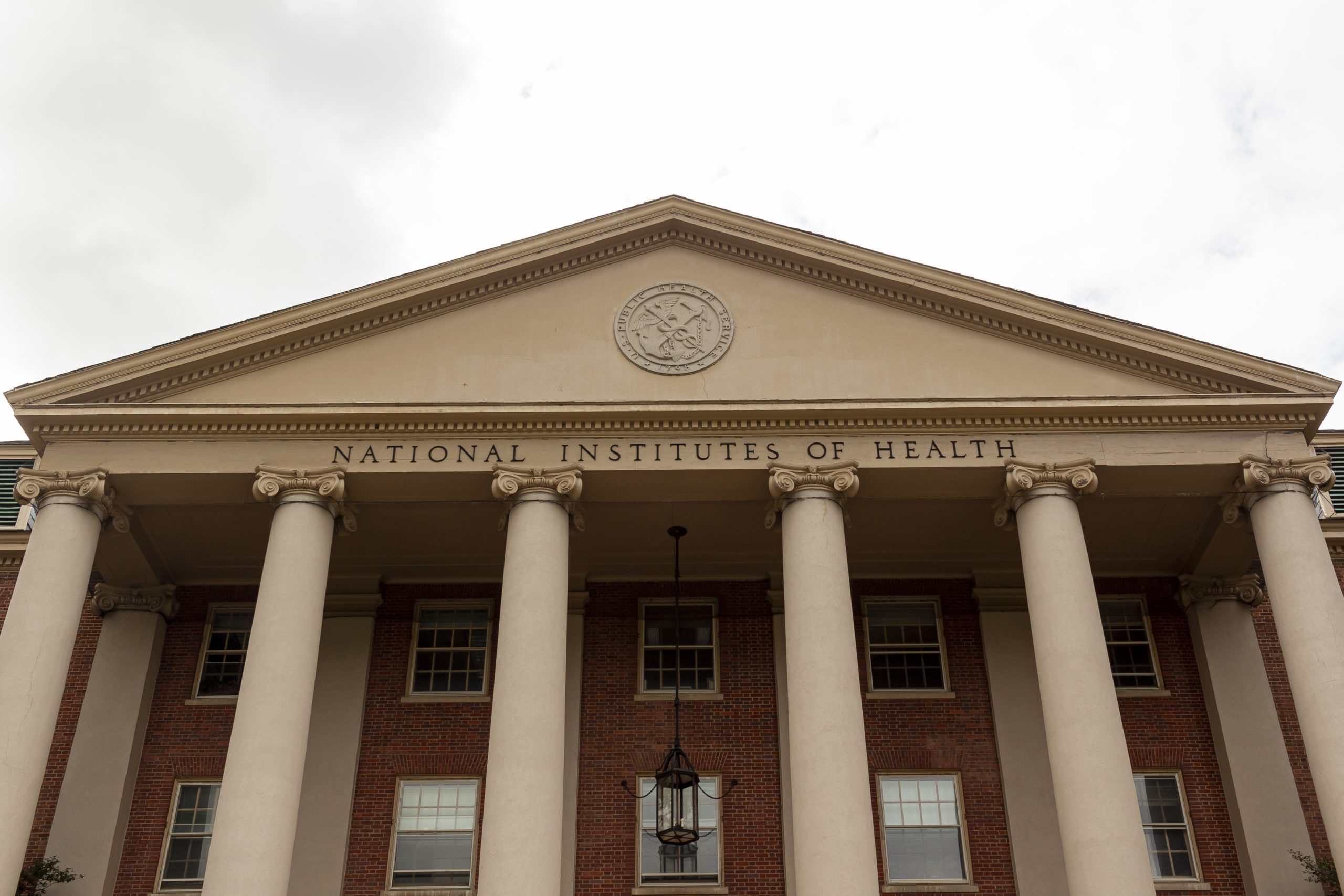
Beginning October 1, 2025, the U.S. National Institutes of Health (NIH) will require any organization seeking to license NIH-owned patents to submit an Access Plan outlining how they will promote patient access to the resulting products. [1]
The new Intramural Research Program (IRP) Access Planning Policy has drawn both industry criticism and advocacy group praise. Supporters view it as a long-overdue step towards ensuring that publicly funded discoveries are accessible and affordable. Critics, however, warn the policy could disincentivize companies from licensing NIH-owned patents and slow the translation of federally funded research into market-ready products.
The NIH is the largest public funder of biomedical research in the world with a $40 billion budget for medical research [2]. As a non-profit institution, the NIH itself does not develop, distribute, or commercialize its technologies; it relies on licensing agreements to turn its inventions into new products. In 2024, NIH-generated technologies brought in $210.6 million in royalty income, with 235 patent applications, 131 issued U.S. patents, and executed 291 licenses. [3]
In announcing the policy, NIH acknowledged that “all too often patients across the country and across the globe may be unable to access products they need — for example, a treatment for their disease may not yet exist, or it might exist but be out of reach because it is too expensive or difficult to administer.” [4] The agency says the new policy is designed to provide equitable access for underserved communities in the United States and for populations in low- and lower-middle-income countries.
Under the new policy, applicants interested in commercial licenses to NIH-owned patents, including drugs, biologics, or devices for treating human disease, must submit plans describing measures to promote patient access to those licensed products.[5] Examples include:
- Partnering with public health, non-profit, or patient advocacy organizations;
- Evaluating product appropriateness, such as drug delivery method (e.g., single dose regimen or reduced cold-chain requirements) for the applicable patient populations;
- Optimizing dose, formulation, and manufacturing processes to reduce production costs;
- Investing in manufacturing innovations that can reduce prices and expand access; and
- Avoiding price increases that outpaces inflation.
The NIH will not consider any license application that lacks an Access Plan. [6] However, the agency may grant waivers if access planning would make commercialization unfeasible or hinder the overall public benefit. [7]
The draft policy, published in 2024, attracted 48 public comments from universities, companies, and advocacy groups. [8] The majority commended the NIH’s commitment to expanding access. Others, however, expressed concern about compliance uncertainty, limited control over downstream pricing decisions by insurers and pharmacy benefit managers, and a lack of detail regarding enforcement mechanisms such as license termination or NIH’s potential use of march-in rights. [9] One commenter cautioned, “Rigid pricing restrictions could deter the licensing and investment needed to bring NIH inventions to market.” [10]
The Bayh-Dole Coalition, representing universities, venture capital firms, and industry groups, has been especially critical, arguing the policy “undermine[s] the incentives companies require to assume the risks and expense of turning these discoveries into useful products.” [11]The Bayh-Dole Act of 1980 allows universities and small businesses to retain ownership of patents from federally funded research, a framework long credited for incentivizing commercialization of federally funded inventions. [12]
How the NIH ultimately implements the policy, and whether it successfully enhances affordability without dampening commercialization, remains to be seen. What is clear is that the Access Planning Policy marks a significant shift toward linking public investment in science with a stronger commitment to public benefit.
[1] U.S. NAT’L INST. OF HEALTH, NOT-OD-25-136, NIH INTRAMURAL RESEARCH PROGRAM ACCESS PLANNING POLICY (2025). https://grants.nih.gov/grants/guide/notice-files/NOT-OD-25-136.html.
[2] U.S. NAT’L INST. OF HEALTH TECH. TRANSFER, ANNUAL REPORT (2024).
[3] U.S. NAT’L INST. OF HEALTH TECH. TRANSFER, supra note 2.
[4] U.S. NAT’L INST. OF HEALTH, supra note 1.
[5] Id.
[6] Id.
[7] Id.
[8] U.S. NAT’L INST. OF HEALTH, COMPILED PUBLIC COMMENTS ON NATIONAL INSTITUTES OF HEALTH (NIH) OFFICE OF SCIENCE POLICY (OSP): REQUEST FOR INFORMATION ON DRAFT NIH INTRAMURAL RESEARCH PROGRAM POLICY: PROMOTING EQUITY THROUGH ACCESS PLANNING. (July 22, 2024).
[9] Id.
[10] Id.
[11] Id.
[12] 35 U.S.C. § 200.